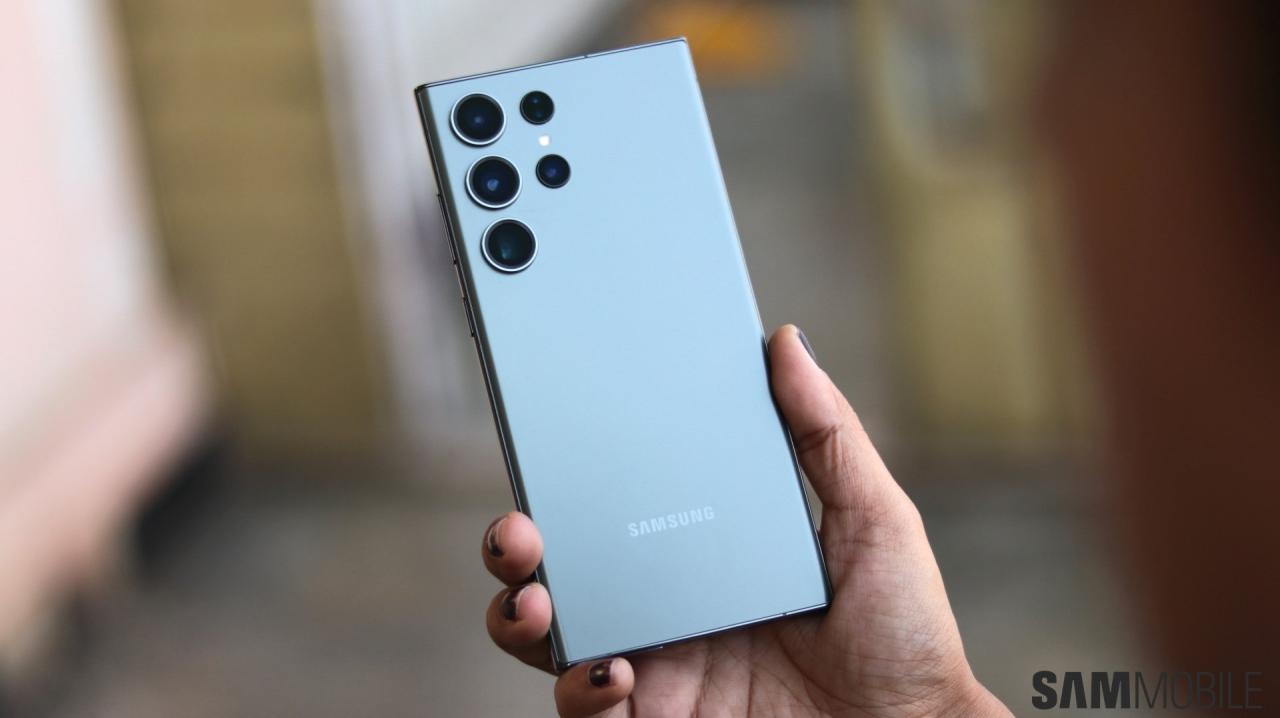
samsung galaxy note 7 sets the stage for this enthralling narrative, offering readers a glimpse into a story that is rich in detail and brimming with originality from the outset. This smartphone was anticipated as a groundbreaking device with its sleek design, powerful features, and innovative stylus functionality. However, the excitement surrounding its release was shortly overshadowed by significant battery issues that led to its infamous recall, creating ripples in the tech world.
As we explore the Samsung Galaxy Note 7, we will delve into its features and specifications, the impact of the battery controversy on Samsung’s reputation, user experiences prior to the recall, and the legacy it left behind in the smartphone industry.
Product Overview: Samsung Galaxy Note 7
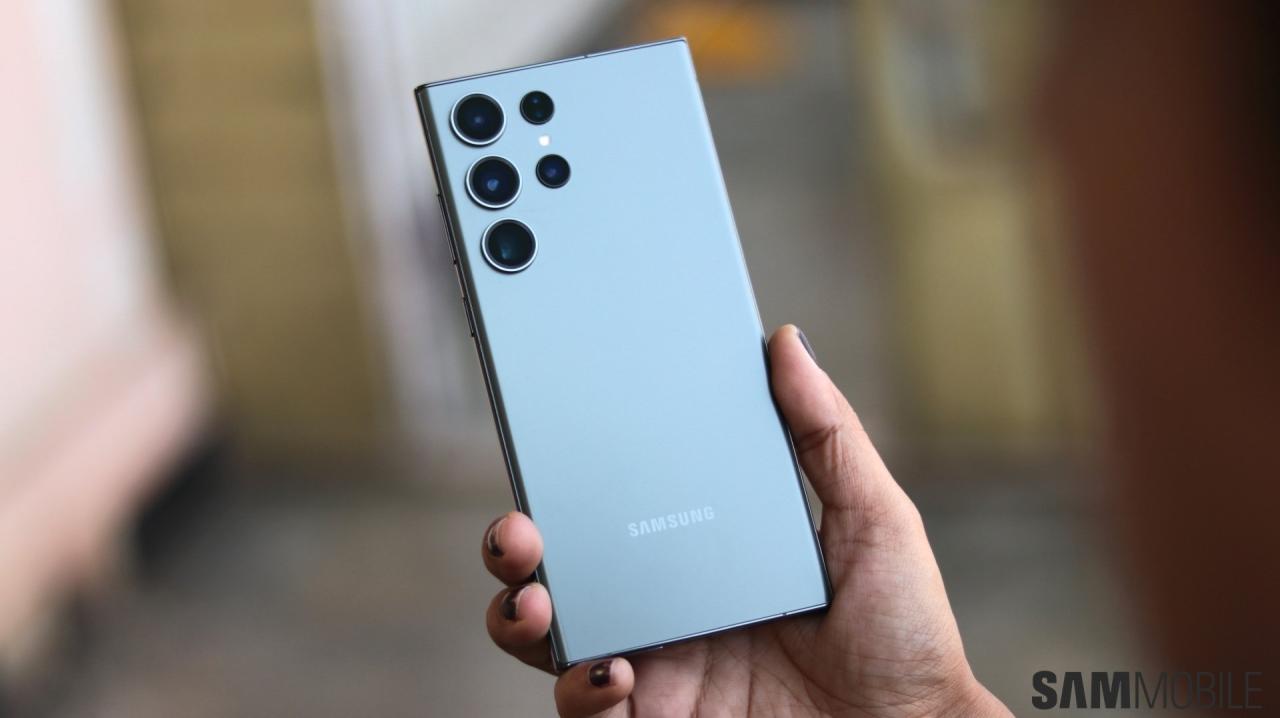
The Samsung Galaxy Note 7, released in August 2016, marked a significant addition to Samsung’s flagship lineup. It encapsulated the essence of the Note series, featuring a blend of cutting-edge technology, design elegance, and practical functionality aimed at power users. With its introduction, Samsung aimed to offer an unparalleled experience for users who prioritize productivity and creativity on the go.
One of the standout features of the Galaxy Note 7 is its large 5.7-inch Quad HD Super AMOLED display, which delivers stunning colors and deep blacks for an immersive viewing experience. The device is powered by either an Exynos 8890 or Qualcomm Snapdragon 820 processor, depending on the region, coupled with 4GB of RAM and options for 64GB, 128GB, or 256GB of internal storage, expandable via microSD. The Note 7 also introduced IP68 water and dust resistance, a first for the Note series, allowing users to use their devices in various environments without fear of damage. Additionally, the S Pen stylus was enhanced with new features, such as the ability to create animated GIFs and translate text directly from the screen.
Market Reception and Reviews
Upon its launch, the Galaxy Note 7 garnered significant attention and praise from both consumers and tech critics. Its performance, display quality, and design received high marks, positioning it as one of the best smartphones of its time. However, the initial excitement quickly turned into concern due to safety issues regarding the device’s battery.
The reception included accolades for its design and features, with many reviews highlighting the following key points:
- Design Aesthetics: The sleek glass and metal design set a premium tone, making it visually appealing.
- Display Quality: The Quad HD display was praised for its brightness and color accuracy, enhancing media consumption.
- Camera Performance: The 12MP rear camera with dual pixel technology provided fast autofocus and exceptional low-light performance.
- S Pen Features: Users appreciated the S Pen’s new capabilities, which provided more functionality and creativity options.
Despite the positive reviews, the device was later recalled due to reports of battery explosions, leading to a significant impact on the overall perception of the Galaxy Note 7. This incident ultimately resulted in the discontinuation of the device, overshadowing its initial success.
Design Elements of the Galaxy Note 7
The design of the Galaxy Note 7 was a crucial aspect that distinguished it from its predecessors and competitors. Samsung integrated several design elements that not only enhanced aesthetics but also improved functionality.
The following design features contributed to the Note 7’s unique identity:
- Curved Display: The dual-edge display provided a futuristic look and allowed for additional functionality such as edge panels.
- Premium Materials: Constructed with Gorilla Glass 5 on both the front and back, combined with an aluminum frame, offered a luxurious feel and improved durability.
- Ergonomic Design: The rounded edges made the device comfortable to hold, enhancing user experience during prolonged usage.
- Color Options: The Galaxy Note 7 was offered in an array of colors, including Coral Blue and Gold Platinum, appealing to a wide range of consumer preferences.
These elements not only set the Galaxy Note 7 apart from other models in the Note series but also established a strong visual identity that resonated with users who sought both style and substance in their smartphones.
Battery Controversy
The Samsung Galaxy Note 7 faced significant backlash due to critical battery issues that ultimately led to its recall. These problems not only affected consumer safety but also triggered a major crisis for Samsung, impacting its reputation and financials. Understanding the factors behind this controversy is essential to grasp the full impact of the Note 7’s downfall.
The battery issues with the Galaxy Note 7 were primarily attributed to manufacturing defects in the lithium-ion batteries supplied by two different manufacturers. The first battery was found to have a design flaw that could lead to short-circuiting, while the second battery, produced by another supplier, was prone to overheating due to a packaging issue. As a result, several incidents of the devices catching fire or exploding were reported, prompting Samsung to initiate a global recall of approximately 2.5 million units.
Impact on Samsung’s Reputation and Sales
The fallout from the Galaxy Note 7 recall was significant, affecting Samsung’s market presence and brand image. The recall led to a loss of consumer trust, as many users were left questioning the safety and reliability of Samsung products. Financially, estimates indicated that the recall would cost the company around $5.3 billion, a figure that includes lost sales and the costs associated with the recall process itself.
To illustrate the scale of the impact, Samsung’s smartphone market share in the U.S. dropped from 28% in 2016 to 17% in 2017. Additionally, according to a report from Counterpoint Research, Samsung’s profit from mobile business fell by 96% in the third quarter of 2016 compared to the previous year, highlighting the severe repercussions of the battery issues.
Safety Measures Implemented by Samsung
In response to the battery incidents, Samsung took significant measures to ensure the safety of its devices and restore consumer confidence. The company established a comprehensive safety program called the “8-Point Battery Safety Check,” which includes the following rigorous steps:
- Visual Inspection: A thorough physical examination of the battery for any visible defects.
- X-ray Inspection: Using X-ray technology to detect any internal abnormalities and ensure battery integrity.
- Charge and Discharge Test: Testing the battery’s performance during charging and discharging cycles to monitor for overheating.
- TVOC (Total Volatile Organic Compounds) Test: Assessing the battery’s chemicals to ensure safety during usage.
- Test for Short Circuits: Ensuring the battery can withstand conditions that may lead to short-circuiting.
- Temperature Resistance Test: Subjecting the battery to extreme temperatures to observe its behavior under stress.
- Overcharge Test: Checking the battery’s response to excessive charging to prevent potential hazards.
- Endurance Testing: Evaluating the overall durability and longevity of the battery through extensive testing.
By implementing these measures, Samsung aimed to minimize the risk of future incidents and reassure consumers of their commitment to safety and quality.
“The Galaxy Note 7 situation has taught us invaluable lessons about the importance of rigorous safety standards and consumer trust.” – Samsung Official Statement
User Experience
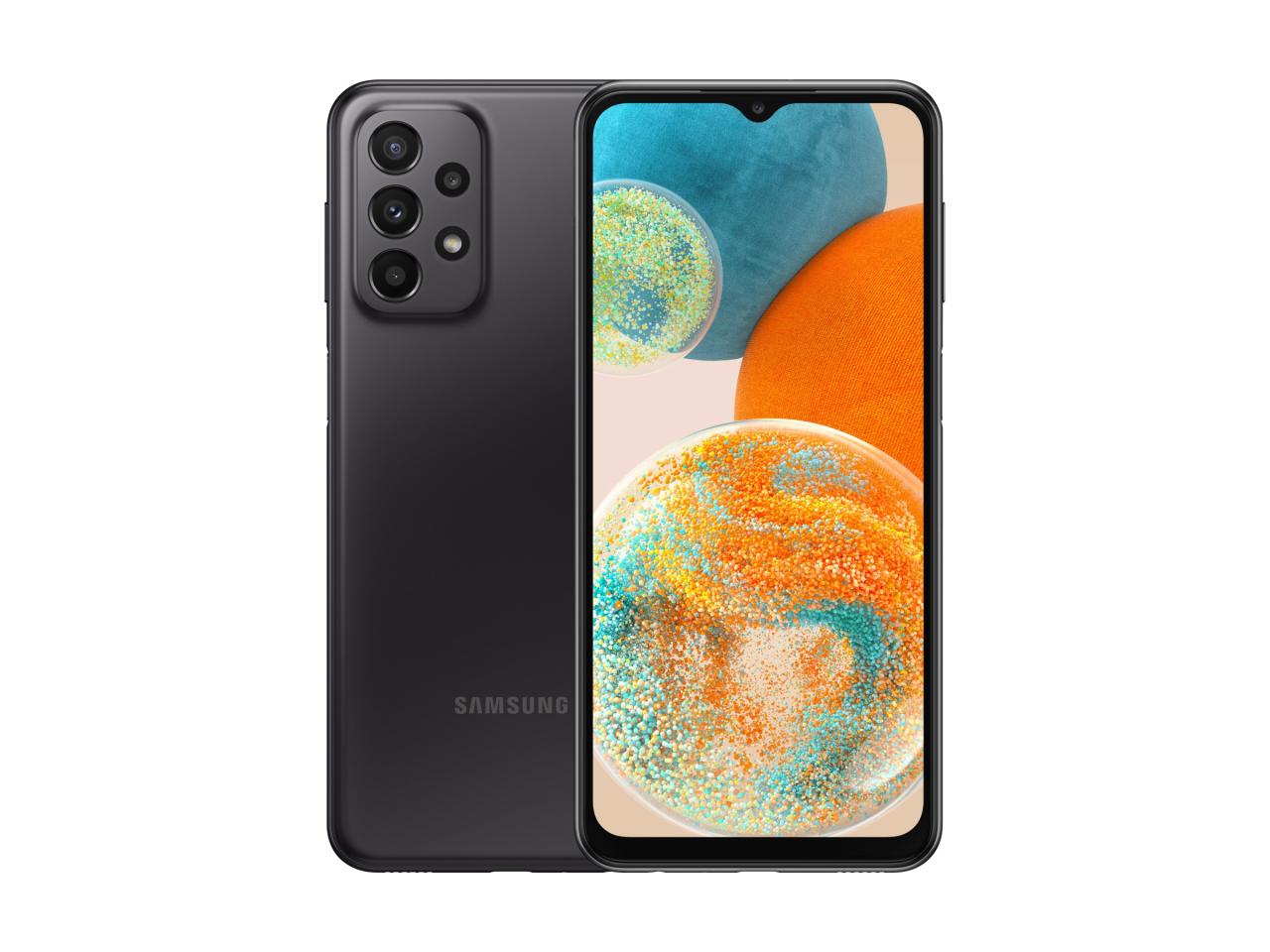
The Samsung Galaxy Note 7 was highly anticipated, and prior to the recall, it was celebrated for a range of user experience features that caught the attention of consumers. From its sleek design to its innovative capabilities, the Note 7 aimed to deliver a premium smartphone experience that stood out in a competitive market.
In terms of performance, the Galaxy Note 7 was positioned as a leader among its peers during its launch. Equipped with state-of-the-art hardware and software, it offered a seamless experience that many users appreciated. The device was powered by a robust Snapdragon 820 processor and came with 4GB of RAM, ensuring multitasking was smooth and efficient. Consumers frequently noted how effortlessly the device handled demanding applications, which placed it ahead of competitors such as the iPhone 6s Plus and LG G5.
User Experience Features, Samsung galaxy note 7
Several key user experience features of the Galaxy Note 7 received praise from consumers. These features contributed to its initial popularity before the battery issues emerged. The following aspects were highlighted:
- Design and Display: The device boasted a stunning 5.7-inch Quad HD Super AMOLED display, which provided vibrant colors and deep blacks. Users expressed their admiration for the edge-to-edge design that made the screen immersive.
- S Pen Functionality: The improved S Pen was a significant draw for users who appreciated its enhanced precision and features like screen-off memo, allowing users to jot down notes without unlocking the device.
- Water and Dust Resistance: With an IP68 rating, the Note 7 was designed to withstand water and dust, adding to its appeal for active users concerned about durability.
- Camera Performance: The 12MP dual-pixel camera was praised for its low-light performance and fast autofocus, leading to stunning photography experiences.
- Samsung Pay: Integrated support for Samsung Pay made it easy for users to make secure payments, enhancing the overall smartphone experience.
Comparative Performance
When the Galaxy Note 7 launched, it was compared favorably to its competitors, showcasing superior features and performance metrics. The device’s Snapdragon 820 processor provided competitive edge over rivals like the iPhone 6s Plus, which utilized Apple’s A9 chip, and the LG G5, which employed a Snapdragon 820 as well. The Note 7’s performance in benchmarks illustrated its capacity to handle graphics-intensive tasks seamlessly. Users noted the following comparisons:
- Benchmark Scores: In synthetic benchmarks, the Galaxy Note 7 often outperformed the iPhone 6s Plus in multi-core tasks and scored higher in graphics performance tests, giving it an edge in gaming and multimedia applications.
- Battery Life: Despite the later controversies, early reports indicated that the Galaxy Note 7 provided competitive battery life compared to its rivals, often lasting a full day under standard usage conditions.
User Testimonials
User testimonials provided insight into the positive experiences many had with the Galaxy Note 7 before the recall. Consumers shared their thoughts on different aspects of the device, reinforcing its favorable reputation. Some notable testimonials included:
“The display is absolutely breathtaking; I can’t imagine using a phone without this level of clarity.”
“The S Pen is a game-changer for me! I love being able to take notes quickly without having to unlock the phone.”
“I’ve had no issues with performance; it feels fast and responsive, whether I’m gaming or multitasking.”
Overall, the user experience of the Samsung Galaxy Note 7 was characterized by advanced features and exceptional performance that resonated well with consumers, making the eventual recall all the more disappointing for many users.
Legacy and Impact
The Samsung Galaxy Note 7, despite its short-lived existence, left an indelible mark on the smartphone industry. Its introduction of advanced features and subsequent battery issues sparked conversations that would shape future designs and safety protocols across the tech landscape. This segment delves into the impact of the Note 7 on smartphone innovation, the critical lessons learned by Samsung, and how this device is remembered within the annals of tech history.
Influence on Smartphone Designs and Features
The Samsung Galaxy Note 7 set a precedent for many design and feature elements in subsequent flagship smartphones. Its introduction of an edge-to-edge display, enhanced stylus capabilities, and water resistance became benchmarks for later models. The Note 7 was among the first to incorporate iris scanning technology, pushing competitors to innovate in biometric security.
Notably, the design ethos of a sleek and premium finish, complemented by vibrant displays, became a trend that other manufacturers sought to replicate. The incident surrounding the Note 7 prompted a shift toward more robust battery testing and optimization processes in the industry, emphasizing the importance of safety alongside technological advancements.
Lessons Learned Regarding Product Safety
The Galaxy Note 7 incident underscored the pressing need for rigorous safety measures in product development. Samsung faced significant backlash due to the battery-related failures, leading to a comprehensive internal review of their product design and manufacturing processes. Key lessons included:
- Enhanced Quality Control: Samsung implemented more stringent quality assurance protocols to ensure that future products would undergo thorough testing before release.
- Battery Design Improvements: The company re-evaluated its battery design and sourcing strategies, opting for more reliable components and manufacturers.
- Transparent Communication: Following the crisis, Samsung emphasized the importance of consumer communication, ensuring that customers were informed about product safety and potential risks.
These lessons have been pivotal not only for Samsung but for the broader industry, emphasizing that user safety must be paramount in smartphone design.
Historical Significance in Tech History
The Samsung Galaxy Note 7 is remembered as a cautionary tale in tech history, highlighting the delicate balance between innovation and safety. It served as a pivotal moment that reshaped consumer expectations and regulatory scrutiny regarding mobile devices. The fallout from the Note 7 incident impacted not only Samsung’s reputation but also influenced how companies approach product launches and crisis management.
The legacy of the Note 7 is evident in how subsequent smartphones are marketed, with a greater emphasis on safety features and consumer transparency. The incident has become a reference point in discussions about product recalls and corporate responsibility, reminding manufacturers of the potential repercussions when safety is compromised for speed and innovation.
In conclusion, the Galaxy Note 7’s legacy is complex, marked by both innovative achievements and significant missteps. Its impact continues to resonate as the industry evolves, ensuring that lessons learned from this device will inform future smartphone designs and corporate practices.
FAQ Summary
What were the standout features of the Samsung Galaxy Note 7?
The Samsung Galaxy Note 7 featured a stunning Edge display, an improved S Pen, a powerful camera, and waterproofing, setting it apart from its predecessors.
How did the recall affect Samsung’s sales?
The recall significantly impacted Samsung’s sales, with estimates suggesting a loss of billions in revenue and a temporary decline in market share.
What safety measures were implemented after the incidents?
Samsung introduced enhanced battery testing protocols, partnered with external safety organizations, and revamped their quality assurance processes to prevent future incidents.
How is the Samsung Galaxy Note 7 remembered today?
It is often viewed as a cautionary tale in tech history, symbolizing the risks associated with rapid innovation and the critical importance of product safety.
Looking for the latest deals? Check out the amazing promotion iphone that could elevate your mobile experience. With cutting-edge features and a sleek design, it’s hard to resist upgrading your device. Don’t miss out on these exciting offers!
If you’re in the market for a new smartphone, the samsung galaxy s11 stands out with its impressive camera and powerful performance. Whether you’re a photography enthusiast or just want a reliable device, this phone has something for everyone. Explore its features to see why it’s a top choice!