Galaxy Note 2 stands as a testament to innovation in the smartphone realm, capturing the imagination of tech enthusiasts upon its release. With its larger display and the introduction of the S Pen, this device redefined user interaction, setting the groundwork for future smartphones. Its significance lies not only in its features but also in how it influenced consumer expectations and shaped the phablet market.
The Galaxy Note 2 is equipped with a 5.5-inch Super AMOLED display, a powerful quad-core processor, and an impressive 8-megapixel camera, making it one of the most sought-after devices of its time. The evolution from the original Galaxy Note to the Note 2 showcased Samsung’s commitment to enhancing usability and functionality, ultimately leading the charge in smartphone design and performance.
Overview of Galaxy Note 2
The Samsung Galaxy Note 2, released in 2012, marked a pivotal moment in the evolution of smartphones, particularly in the phablet category. Combining the functionalities of a smartphone and a tablet, it brought forth a new era of mobile device versatility that catered to both productivity and entertainment needs. Its significant impact on the smartphone market can be attributed to its unique features that appealed to both tech enthusiasts and casual users alike, setting the stage for future innovations in the Galaxy Note series.
The Galaxy Note 2 boasts an impressive array of specifications that showcase its capabilities. It features a 5.5-inch Super AMOLED display with a resolution of 1280 x 720 pixels, offering vibrant colors and sharp visuals. Powered by a quad-core 1.6 GHz processor and equipped with 2 GB of RAM, it delivers smooth multitasking and performance. The device comes with a 3100 mAh battery, ensuring longevity during heavy usage, and runs on Android 4.1 Jelly Bean, which introduced enhanced usability and interface improvements. Key functionalities, such as the S Pen stylus, further enhance the user experience, allowing for precise input and creative applications.
Main Features and Specifications
The Galaxy Note 2 is packed with features that make it a standout device in its time. Understanding these specifications is crucial for appreciating its role within the smartphone ecosystem:
- Display: The 5.5-inch Super AMOLED display offers deep blacks and vibrant colors, enhancing the viewing experience for multimedia content.
- Processor: A quad-core 1.6 GHz processor ensures fast performance and efficiency, capable of handling demanding applications.
- Camera: The 8 MP rear camera with LED flash allows for high-quality photography, while the 1.9 MP front camera is suitable for video calls.
- Battery Life: A robust 3100 mAh battery provides extended usage without the need for frequent recharging.
- S Pen: The included S Pen enhances functionality with features such as Air View and Smart Select, making it a versatile tool for creativity and productivity.
- Storage Options: Available in 16, 32, and 64 GB internal storage options, expandable via microSD, caters to a variety of user needs.
The Galaxy Note 2 is not just a sum of its parts; its design and features led to a significant evolution in the Galaxy Note series. Following the original Galaxy Note, which introduced the concept of a phablet, the Note 2 refined this idea by enhancing display size and performance. It laid the groundwork for future models, which continued to expand on the functionality of the S Pen and introduced advanced camera technologies, making the Galaxy Note line synonymous with innovation and versatility in mobile technology.
“The Galaxy Note 2 transformed user expectations for smartphones, merging powerful performance with creative potential.”
User Experience and Interface: Galaxy Note 2

The Galaxy Note 2 presents a user experience that seamlessly blends functionality with an intuitive interface, designed to cater to both casual users and professionals. Its large display paired with Samsung’s custom TouchWiz UI enhances usability, ensuring that navigating through apps, settings, and multitasking feels natural and efficient.
User Interface Enhancements
The user interface of the Galaxy Note 2 is built around a vibrant 5.5-inch Super AMOLED display, which not only provides stunning visuals but also allows for a more engaging user interaction. The TouchWiz interface introduces features such as expandable notifications, customizable home screens, and easy access to frequently used applications. Key enhancements include:
- Multi-Window Support: This feature allows users to run two applications side by side, increasing productivity and making it easier to switch between tasks without losing context.
- Smart Stay: The device uses the front-facing camera to detect if the user is looking at the screen, preventing it from dimming or turning off, which enhances usability during reading or viewing sessions.
- Page Buddy: This function automatically offers relevant apps and settings based on the current context, simplifying user interactions and improving the overall experience.
S Pen Functionality
The S Pen is a hallmark feature that significantly elevates the user experience of the Galaxy Note 2. This stylus is not merely an accessory but transforms how users interact with their device. The S Pen enables precise input for tasks ranging from note-taking to graphic design.
- Air View: Users can hover the S Pen over the screen to preview content without opening apps, which enhances efficiency when navigating through emails or photo galleries.
- Action Memo: This feature allows users to jot down notes and immediately convert them into actionable tasks, making it easy to integrate ideas into reminders or contacts.
- Screen Write: Users can capture screenshots and annotate them, facilitating better communication and sharing of information directly from the device.
Multitasking Capabilities
The Galaxy Note 2 stands out for its robust multitasking capabilities, which are fundamental for users who demand efficiency. The combination of the large display and TouchWiz enhancements allows for a fluid experience when switching between applications.
- Pop-Up Play: This feature allows users to watch videos in a resizable window while performing other tasks, providing a truly immersive experience without interruptions.
- Task Manager: The device’s built-in task manager provides a quick overview of all open applications, enabling users to switch quickly or close apps they no longer need.
- Split Screen Configuration: With the multi-window capability, users can engage with two different applications simultaneously, which is particularly useful for research, messaging, and browsing tasks.
Comparison with Competing Devices

The Galaxy Note 2, launched in 2012, entered a competitive landscape dominated by several flagship smartphones, each vying for consumer attention. To understand its standing, a comparison with contemporaneous devices reveals both its strengths and weaknesses, along with unique selling points that set it apart in the crowded smartphone market.
Comparative Analysis of Flagship Smartphones
In 2012, the smartphone arena featured notable competitors such as the Apple iPhone 5, HTC One X, and Samsung Galaxy S3. Each device brought a unique set of features and specifications, making the competition particularly fierce. Below, the key attributes of these smartphones are Artikeld for a comprehensive comparison.
- Apple iPhone 5: Known for its premium design and iOS ecosystem, it offered a 4-inch Retina display, A6 processor, and a robust app ecosystem. However, its smaller screen size compared to the Note 2 limited its appeal to users seeking larger displays.
- HTC One X: Marked by its sleek design and powerful quad-core processor, the One X featured a 4.7-inch screen, an 8MP camera, and a strong build quality. Nevertheless, its battery life was often criticized, which was a significant drawback for power users.
- Samsung Galaxy S3: With a 4.8-inch Super AMOLED display and a strong focus on software features, the Galaxy S3 was a major contender, boasting good battery life and performance. However, its plastic build quality was often perceived as less premium compared to competitors.
The Galaxy Note 2 distinguished itself with its 5.5-inch Super AMOLED display, which offered an expansive viewing experience unmatched by many rivals. Coupled with the S Pen stylus, it provided a unique user interaction method that enhanced productivity, particularly for note-taking and drawing.
Strengths and Weaknesses
When assessing the Galaxy Note 2 against its competitors, several strengths and weaknesses emerge:
- Strengths:
- The large display facilitated multimedia consumption and productivity tasks effectively.
- The S Pen allowed for precise interactions, making the device ideal for creative professionals.
- Robust multitasking features and customizable interface enhanced user experience.
- Weaknesses:
- Its size made it less portable compared to more compact devices like the iPhone 5.
- The plastic build was less appealing to users accustomed to premium materials.
- Battery life, although good, was sometimes outperformed by competitors with more efficient energy management.
Unique Selling Points
The Galaxy Note 2’s combination of features offered unique selling points that contributed to its market success. These points include:
- Enhanced S Pen Features: The stylus provided functionality beyond traditional touch input, allowing for actions like screen capture, handwriting recognition, and drawing.
- Multi-Window Support: This feature enabled users to run two applications simultaneously, improving productivity and usability.
- Large Battery Capacity: A 3100 mAh battery supported extended usage, catering to power users who require more than a day’s endurance.
The Galaxy Note 2 not only stood out due to its hardware specifications but also offered a distinctive user experience that resonated with a diverse audience, reinforcing its position in a competitive smartphone market.
Impact on Mobile Technology
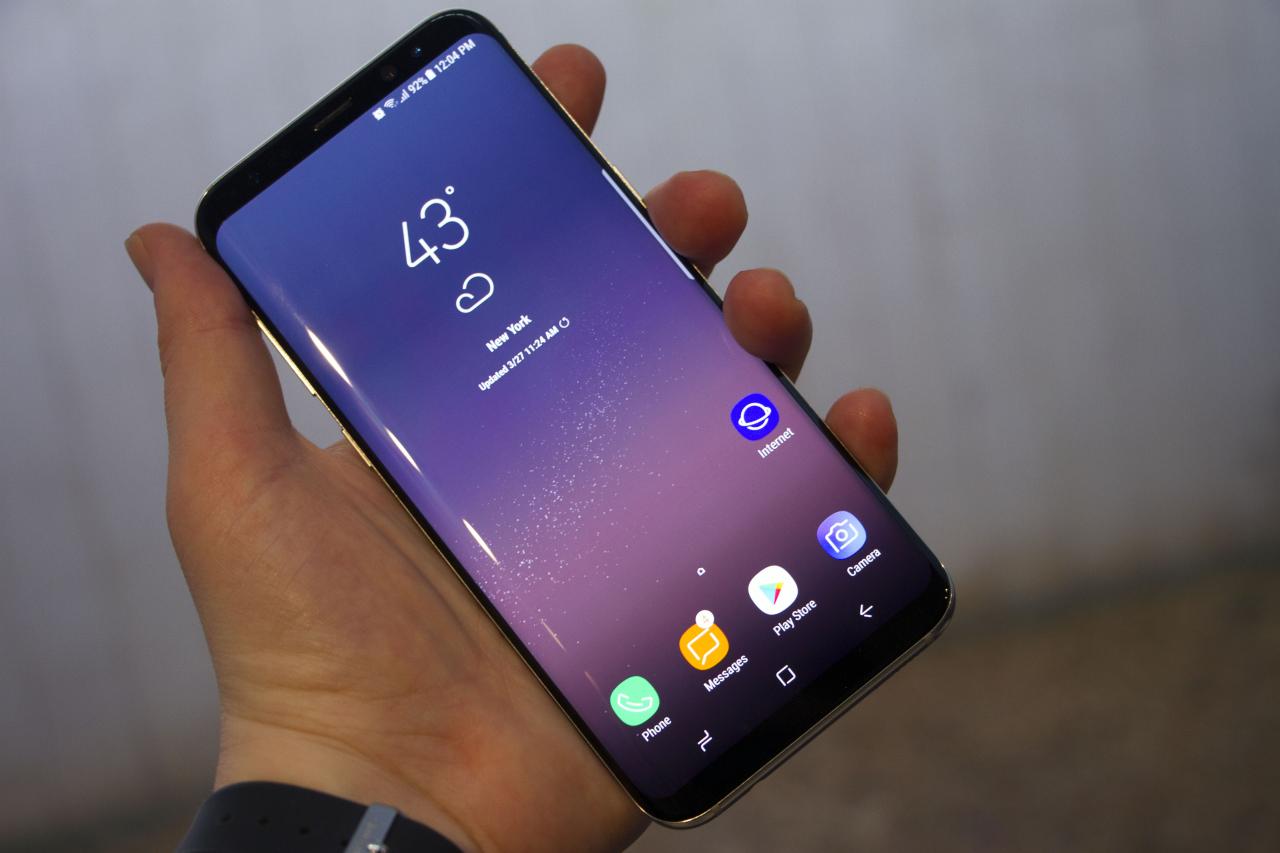
The Galaxy Note 2, released in 2012, significantly shaped the landscape of mobile technology, particularly influencing the design and functionality of smartphones. Its introduction marked a pivotal moment for the smartphone market, pushing boundaries that would eventually redefine user expectations and engagement. By bridging the gap between a smartphone and a tablet, the Galaxy Note 2 set a new standard that competitors would strive to emulate and innovate upon.
Influence on Future Smartphone Design
The Galaxy Note 2’s design philosophy and functionality have had a profound impact on the evolution of smartphones. Key aspects include:
- Screen Size and Resolution: With its 5.5-inch HD display, the Galaxy Note 2 popularized larger screens, leading manufacturers to prioritize screen size in their designs. Subsequent devices consistently adopted larger, higher-resolution displays to enhance multimedia experiences.
- S-Pen Integration: The introduction of the S-Pen with advanced features such as pressure sensitivity and handwriting recognition inspired the development of stylus capabilities in other smartphones and tablets, creating a niche market for devices that accommodate stylus usage.
- Multitasking Features: The Galaxy Note 2 introduced innovative multitasking capabilities, such as Split Screen and Popup Note. This influenced the design of user interfaces in future smartphones, encouraging brands to implement similar productivity features to cater to increasingly multi-tasking-oriented consumers.
Impact on the Phablet Market Segment, Galaxy note 2
The Galaxy Note 2 played a crucial role in the establishment and growth of the phablet market segment. Its success demonstrated consumer demand for devices that combined the functionalities of smartphones and tablets.
- Market Adoption: The Galaxy Note 2’s success spurred numerous competitors to enter the phablet market, leading to a rapid expansion of this category. Brands like LG, Huawei, and others launched their versions of phablets, solidifying the category’s place in the smartphone market.
- Consumer Preferences: As more consumers embraced the larger form factor, manufacturers began to recognize the value of the phablet segment, tailoring their offerings to meet the growing demand for devices that provided both mobility and enhanced screen real estate for media consumption and productivity.
- Standardization of Features: The features introduced by the Note 2 became benchmarks for phablets, with features like larger displays, enhanced battery life, and robust performance becoming industry standards for devices within this category.
Legacy of the Galaxy Note 2
The legacy of the Galaxy Note 2 is reflected in its long-lasting influence on consumer preferences and technological advancements in the mobile space.
- Consumer Expectations: The device raised expectations regarding smartphone capabilities, leading consumers to seek enhanced features such as better multitasking, advanced input methods, and larger displays in subsequent devices.
- Technological Advancements: Innovations introduced with the Note 2, particularly in stylus technology and user interface design, have continued to inspire advancements in mobile technology, influencing design paradigms across various manufacturers.
- Continued Popularity of Phablets: The Galaxy Note series remains a strong contender in the market, with its legacy continuing to influence newer models. The Note 2 laid the groundwork for future iterations that further refined the concept of phablets, ensuring their place in the mobile technology ecosystem.
Questions and Answers
What are the main features of the Galaxy Note 2?
The Galaxy Note 2 features a 5.5-inch Super AMOLED display, a quad-core processor, 8MP camera, and S Pen functionality for enhanced multitasking and productivity.
How does the S Pen enhance the user experience?
The S Pen allows for precise input, note-taking, and multitasking, making the Galaxy Note 2 ideal for creative professionals and power users.
What were the competitors of the Galaxy Note 2?
Key competitors included the Apple iPhone 5, HTC One X, and LG Optimus G, each offering unique features but lacking the phablet distinction of the Note 2.
How did the Galaxy Note 2 influence future smartphones?
The Galaxy Note 2’s design and features set new standards for larger displays and stylus functionality, which many manufacturers adopted in subsequent models.
What is the legacy of the Galaxy Note 2?
The Galaxy Note 2’s combination of power, design, and usability established it as a pivotal device in the evolution of smartphones, particularly in the phablet market.
The Samsung Galaxy S10 Plus is a powerhouse of a smartphone, boasting an impressive camera system and a stunning display. With its sleek design and advanced features, it remains a popular choice for tech enthusiasts. This device exemplifies how Samsung has consistently pushed the envelope in smartphone technology, making it a worthy investment for those seeking high performance.
For those who appreciate a classic, the Galaxy S 6 still holds a special place in the hearts of many. Its elegant design and robust performance made it a standout in its time, showcasing Samsung’s innovation. Despite the advancements in newer models, the Galaxy S 6 offers a nostalgic experience for users who value its simplicity and effectiveness.