Samsung galaxy s ii stands as a pivotal figure in the evolution of smartphones, capturing the essence of innovation and design when it was launched. This remarkable device not only boasted cutting-edge specifications but also established a new benchmark in user experience and multimedia capabilities that resonated with consumers around the globe.
The Samsung Galaxy S II was notable for its sleek design, powerful performance, and impressive camera features, making it a favorite among tech enthusiasts. Its impact on the smartphone market during its release made it a cornerstone for future devices from Samsung and beyond.
Overview of Samsung Galaxy S II
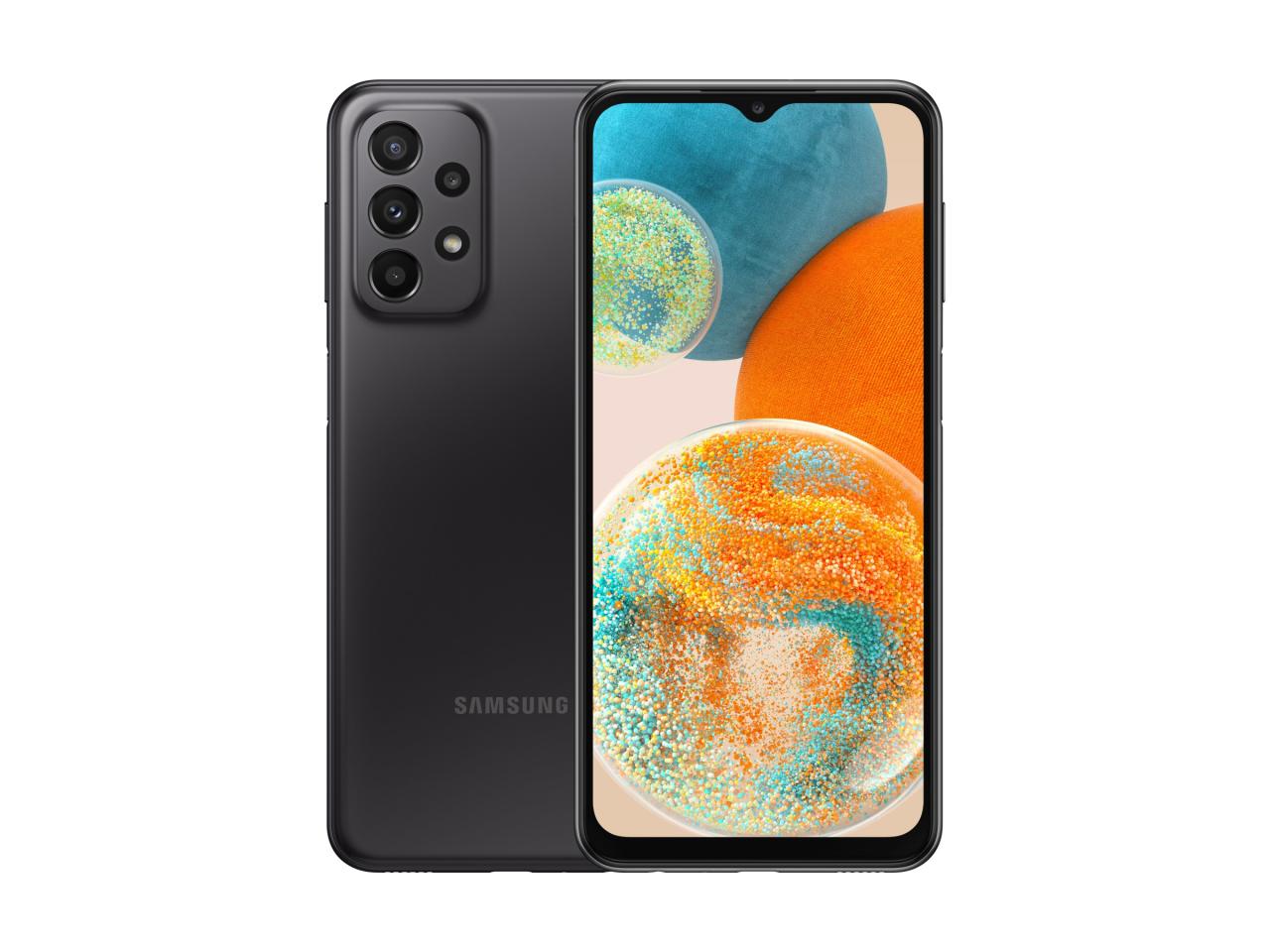
The Samsung Galaxy S II, launched in April 2011, marked a significant milestone in the evolution of smartphones. With its sleek design, powerful hardware, and user-friendly interface, it set the stage for the modern smartphone experience. The Galaxy S II quickly gained popularity due to its impressive specifications and features, making it one of the best-selling smartphones of its time.
Key specifications of the Samsung Galaxy S II include a 4.3-inch Super AMOLED Plus display with a resolution of 800 x 480 pixels, which delivered vibrant colors and deep contrasts. It was powered by a dual-core 1.2 GHz processor, combined with 1 GB of RAM, ensuring smooth multitasking and responsive performance. The device came equipped with an 8 MP rear camera capable of 1080p video recording, alongside a 2 MP front-facing camera for video calls. With storage options of 16 GB and 32 GB, expandable via microSD, the Galaxy S II allowed users to store a variety of multimedia files.
Significance of Samsung Galaxy S II in the Smartphone Market
The Galaxy S II played a pivotal role in establishing Samsung as a leading player in the smartphone industry. Upon its release, the device received widespread acclaim for its thin profile, lightweight build, and high-quality display, which were significant improvements over its predecessor, the Galaxy S.
Factors that contributed to its significance include:
- Market Leadership: The Galaxy S II was a key player that helped Samsung capture a substantial share of the smartphone market, competing effectively against Apple’s iPhone and other Android devices.
- User Experience: The introduction of Samsung’s TouchWiz interface improved user interaction, providing a more customizable and intuitive experience.
- Innovation in Design: The use of premium materials and a slim profile set a new benchmark for design aesthetics in smartphones, influencing subsequent models.
Design Elements Comparison
In terms of design, the Samsung Galaxy S II exhibited significant advancements over its predecessor, the Galaxy S, and set the stage for its successor, the Galaxy S III. The most notable elements include:
| Aspect | Samsung Galaxy S | Samsung Galaxy S II | Samsung Galaxy S III |
|---|---|---|---|
| Dimensions | 122.4 x 64.2 x 9.9 mm | 125.3 x 66.1 x 8.5 mm | 136.6 x 70.6 x 8.6 mm |
| Weight | 119 g | 116 g | 133 g |
| Display Technology | Super AMOLED | Super AMOLED Plus | Super AMOLED HD |
| Body Material | Plastic | Plastic (with a premium feel) | Plastic with a glass front |
The Galaxy S II’s thinner and lighter design, along with its enhanced display technology, set it apart from the original model while introducing design elements that would be refined in the Galaxy S III. The ergonomic design provided comfort for users, paving the way for future innovations in smartphone design.
User Experience and Performance
The Samsung Galaxy S II has garnered considerable attention for its user experience and performance since its release. Feedback from users highlights a positive reception, particularly concerning the device’s speed, ease of use, and the overall efficiency of its software. Many users appreciate how the Galaxy S II seamlessly integrates various functions, making it an appealing option for both tech enthusiasts and casual users.
The software features of the Galaxy S II significantly enhance the user experience. The device operates on Android OS, specifically version 2.3 (Gingerbread) and upgradable to 4.1 (Jelly Bean), which is praised for its intuitive interface and rich functionality. Samsung’s TouchWiz UI enhances the core Android experience, providing users with customizable home screens, widgets, and a streamlined multitasking capability.
Performance Insights from Users, Samsung galaxy s ii
User reviews often highlight the exceptional performance of the Galaxy S II, particularly in terms of speed and responsiveness. The device is equipped with a dual-core processor that allows for smooth operation, even when running multiple applications simultaneously.
Key performance aspects reported by users include:
- Speed: Many users report that app launches and the overall system navigation are noticeably fast, with minimal lag or stutter, thanks to its powerful Exynos processor.
- Graphics: The Super AMOLED Plus display delivers vibrant colors and sharp images, enhancing the visual appeal during gaming or media consumption.
- Multitasking: The dual-core architecture allows users to switch between applications effortlessly, making it suitable for heavy usage without a drop in performance.
Battery Performance and Longevity
Battery performance is a critical factor for many users when evaluating a smartphone’s overall experience. The Galaxy S II comes with a removable 1650 mAh battery, and user reviews suggest that it generally provides satisfactory longevity under typical usage scenarios.
Users often report the following regarding battery life:
- Daily Usage: Many users find that the Galaxy S II can last a full day with moderate use, including browsing, social media, and calls.
- Power Saving Mode: The built-in power-saving features are highlighted by users as effective in extending battery life during low-charge situations.
- Standby Time: Feedback indicates that the device performs well in standby, allowing for extended periods without needing a recharge.
Photography and Multimedia Capabilities
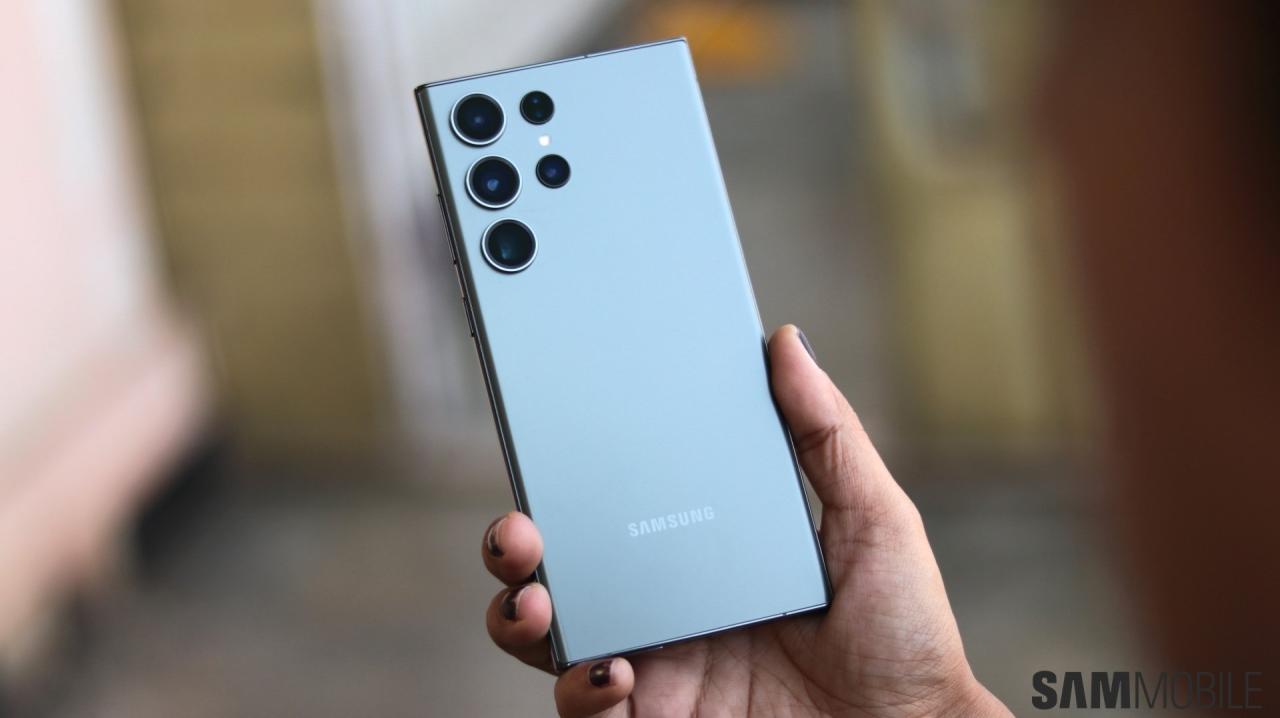
The Samsung Galaxy S II made waves in the smartphone market with its impressive photography and multimedia features. With a focus on exceptional image quality and versatile multimedia playback options, it has catered to the needs of both casual users and photography enthusiasts alike. This section delves into the camera specifications, multimedia capabilities, and a comparison with contemporary models, showcasing how the Galaxy S II stood out during its time.
Camera Specifications and Impact on Photography
The Galaxy S II is equipped with a robust 8-megapixel rear camera, offering a resolution of 3264 x 2448 pixels. This camera features autofocus, LED flash, and the ability to capture 1080p HD video at 30 frames per second. The f/2.6 aperture allows for greater light intake, facilitating better performance in low-light conditions.
The camera’s capabilities extend to various modes and features that enhance user experience, including:
- Panorama Mode: Enables users to capture wide-angle shots seamlessly.
- Shooting Modes: Various presets such as night mode, sports mode, and more to adapt to different shooting scenarios.
- Face and Smile Detection: Automatically focuses on faces and captures smiles, catering to portrait photography.
The quality of photographs produced by the Galaxy S II rivals many entry-level cameras, making it a viable option for users looking to document their lives with clarity and detail. The impact of its camera specifications is evident in the vibrant colors and sharp details captured in various lighting conditions.
Multimedia Features Overview
The multimedia capabilities of the Samsung Galaxy S II further enhance its appeal, particularly for those who enjoy music and video playback on the go. The device supports a wide range of audio formats, including MP3, WAV, and AAC, ensuring compatibility with various music libraries.
The audio experience is heightened by the inclusion of sound enhancement features such as Samsung’s own sound effects and equalizer settings, allowing users to customize their listening experience. The built-in speaker system is competent, providing clear sound quality for casual listening.
For video playback, the Galaxy S II supports multiple resolutions and formats, providing users with the ability to watch videos in high definition. The display, a 4.3-inch Super AMOLED screen, enhances the viewing experience with vibrant colors and deep blacks, making it ideal for streaming movies or watching videos.
Camera Performance Comparison with Contemporary Models
When compared to contemporary models released during its launch period, the Samsung Galaxy S II showcased performance that was competitive for its time. While newer devices offered higher megapixel counts and additional features, the Galaxy S II’s camera held its own in terms of image quality and versatility.
In comparison to devices like the iPhone 4 and HTC Sensation, the Galaxy S II’s camera performed well, particularly in terms of dynamic range and low-light performance. The following aspects highlight the comparison:
- Image Quality: The Galaxy S II produced images with impressive detail and color representation, comparable to the flagship devices of 2011.
- Video Quality: With 1080p video recording, it was on par with many contemporaries, providing smooth playback and clear audio capture.
- Usability: The intuitive camera interface and fast shutter speed made it user-friendly, appealing to both novice and experienced photographers.
In summary, the Samsung Galaxy S II’s photography and multimedia capabilities set a standard for smartphones of its era, combining high-quality imaging with robust multimedia playback features that catered to a wide range of user preferences.
Legacy and Impact: Samsung Galaxy S Ii
The Samsung Galaxy S II has left an indelible mark on the smartphone industry, known for its innovative features and robust performance. Its release not only reshaped user expectations but also set a new standard for future devices in the ever-evolving smartphone landscape. As a successor to the original Galaxy S, the S II introduced several key innovations that would influence subsequent smartphone designs.
Innovations introduced by the Samsung Galaxy S II included a super AMOLED Plus display, which enhanced color vibrancy and visibility, making it a game-changer for multimedia consumption. The device was also one of the first to embrace dual-core processors, providing a significant boost in performance and multitasking capabilities. These advancements set the stage for future smartphones to prioritize both aesthetics and processing power, influencing design philosophies in subsequent generations.
Market Reception and Sales Performance
The Samsung Galaxy S II experienced remarkable market reception and sales figures, solidifying Samsung’s position in the competitive smartphone market. Upon its launch in 2011, the device garnered widespread acclaim for its impressive hardware and user-friendly interface. Its popularity was reflected in global sales, with the S II selling over 40 million units worldwide within its lifecycle, making it one of the best-selling smartphones of its time.
The success of the Galaxy S II can be attributed to various factors, including its attractive design, powerful performance, and a well-received marketing campaign. It became a symbol of Samsung’s ambition and capacity to innovate, significantly impacting the company’s strategy in the years to follow. The S II’s reception set a precedent for the Galaxy S series, paving the way for the S III and further iterations that would continue to build on its legacy.
User Modifications and Community Support
The Samsung Galaxy S II not only inspired device innovations but also became a canvas for user modifications and community-driven enhancements. Its open nature and robust hardware attracted a passionate user base that sought to customize their devices beyond stock configurations.
Community support flourished through forums and social media, where users shared custom ROMs, themes, and performance tweaks. Notable examples include:
- Custom ROMs: Users often turned to third-party firmware such as CyanogenMod, which offered enhanced features and improved performance compared to the official Android releases.
- Theming and Customization: The vibrant community created a plethora of themes and launchers, allowing users to personalize their interface to suit their individual tastes.
- Performance Tweaks: Enthusiasts shared tutorials on overclocking the device and optimizing battery performance, maximizing the potential of the hardware.
The efforts of the community not only extended the longevity of the Galaxy S II but also fostered a culture of innovation and collaboration among users, showcasing the device’s impact beyond its initial release. This active engagement demonstrated the potential for smartphones to serve as platforms for creativity and individuality, establishing expectations for future devices.
FAQ Summary
What are the key specifications of the Samsung Galaxy S II?
The Samsung Galaxy S II features a 4.3-inch Super AMOLED display, a dual-core 1.2 GHz processor, 1 GB of RAM, and an 8 MP rear camera.
How does the camera performance of the Samsung Galaxy S II compare to newer models?
While the Galaxy S II’s 8 MP camera was impressive at its time, newer models offer higher megapixels, improved low-light performance, and advanced features like optical image stabilization.
What software features enhance the user experience on the Samsung Galaxy S II?
The Samsung Galaxy S II runs on Android with custom TouchWiz UI, providing features like live widgets, customizable home screens, and various apps that enhance usability.
What was the market reception of the Samsung Galaxy S II?
The Galaxy S II received positive reviews and strong sales, becoming one of the best-selling smartphones in its era, contributing significantly to Samsung’s market growth.
How has the Samsung Galaxy S II inspired user modifications?
The device has a passionate community that has created custom ROMs, accessories, and modifications, showcasing its adaptability and the dedication of its user base.
The Galaxy S 7 remains a remarkable choice for smartphone enthusiasts, showcasing a powerful camera and sleek design. Its performance continues to impress, making it a reliable device for various tasks. Whether you’re capturing memories or enjoying multimedia content, this smartphone stands the test of time with its innovative features.
For those who appreciate a larger display, the Galaxy Note 2 offers an ideal blend of functionality and style. Its expansive screen is perfect for multitasking and creative endeavors, allowing users to take notes and sketch seamlessly. This device paved the way for phablets, proving its worth in the smartphone market.